

How are PEB steel structures
Better than
RCC buildings
How are PEB steel structures
Better than
RCC buildings
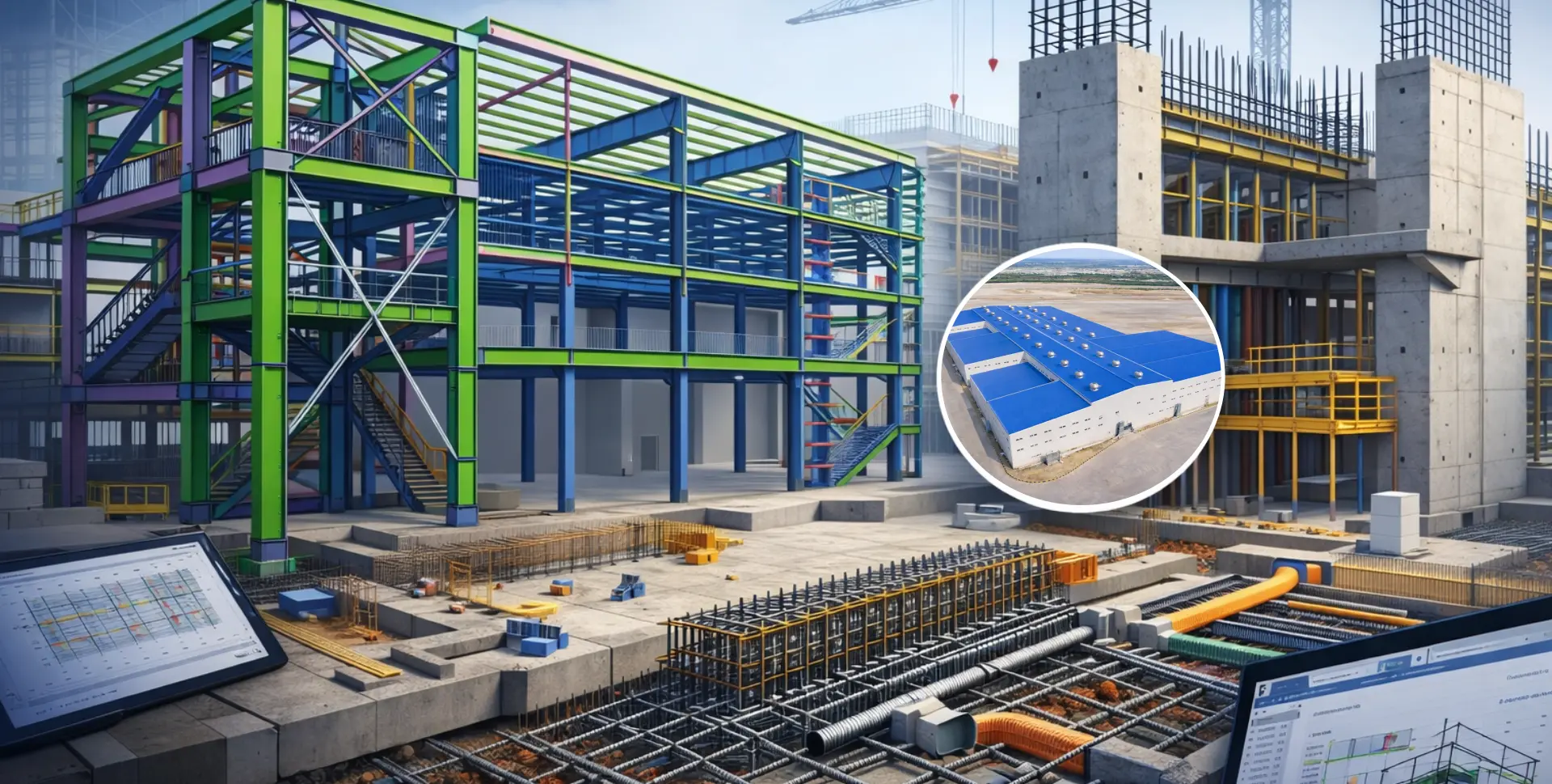
Industrial roof cladding insulation plays a crucial role in maintaining comfortable internal temperatures within PEB sheds and industrial buildings in Hyderabad. High-quality insulated roofing systems help reduce heat penetration during peak summer conditions while improving energy efficiency throughout the year. Roof cladding insulation also offers effective soundproofing, making it ideal for factories, warehouses, and manufacturing units where machinery noise is high. Depending on the selected cladding material, insulation can additionally provide enhanced fire resistance and improved safety performance for PEB structures across Telangana.
Cost Efficiency
Cost Efficiency
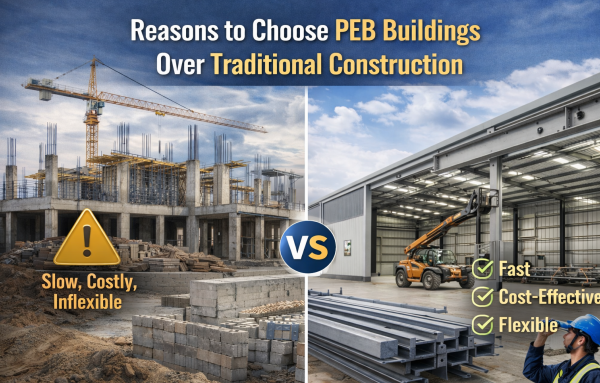
Pre-Engineered Building (PEB) systems are cost-effective because advanced design software optimizes steel usage and minimizes wastage. At Future PEB Solutions, components are manufactured in a controlled facility, reducing errors, delays, and labour requirements. RCC construction, however, involves higher material consumption, longer execution time, and increased manpower, which raises the total project cost.
Faster Construction Timeline
Faster Construction Timeline
Time is a critical factor in industrial and commercial projects. RCC construction depends on multiple site-based variables such as weather conditions, curing time, and material availability. In contrast, PEB structures are fabricated simultaneously with foundation preparation, significantly reducing completion time. This allows businesses to start operations earlier and achieve faster returns on investment.
Superior Structural Strength
Superior Structural Strength
PEB frames are engineered using advanced structural analysis and load simulation tools to ensure maximum strength and stability. Steel offers a higher strength-to-weight ratio than concrete, enabling the construction of large-span buildings without excessive columns. This makes PEB steel buildings ideal for warehouses, factories, aircraft hangars, logistics parks, and industrial facilities where open space is essential.
Earthquake and Wind Resistance
Earthquake and Wind Resistance
Steel structures possess natural flexibility and ductility, allowing them to absorb seismic forces and withstand strong winds more effectively. RCC buildings, due to their rigid nature, are more prone to cracks and structural damage during earthquakes. Choosing PEB solutions from Future PEB Solutions ensures enhanced safety and resilience in seismic and high-wind regions.
Weather and Corrosion Resistance
Weather and Corrosion Resistance
Environmental exposure can weaken conventional concrete structures over time. Our steel PEB buildings are manufactured with corrosion-resistant coatings, galvanized components, and protective finishes that guard against moisture, rain, humidity, and extreme weather. This ensures long-term durability and structural reliability.
Low Maintenance and Lifecycle Savings
Low Maintenance and Lifecycle Savings
PEB structures require minimal maintenance because steel does not absorb water, crack easily, or degrade like concrete. This reduces repair costs and extends building life. RCC buildings often need regular maintenance due to seepage, surface damage, and environmental deterioration. Over time, PEB buildings provide lower lifecycle costs and better long-term value.
Flexibility and Expansion Capability
Flexibility and Expansion Capability
One of the biggest advantages of pre-engineered steel buildings is design flexibility. PEB structures can be easily expanded, modified, or reconfigured as business needs grow. Additional bays, mezzanine floors, crane systems, or ventilation features can be integrated without major reconstruction. RCC buildings, on the other hand, are difficult to modify once constructed.
Reusability and Sustainability
Reusability and Sustainability
PEB buildings are environmentally friendly and sustainable. Steel components can be dismantled, relocated, or reused for new projects. This makes them ideal for temporary facilities such as site offices, storage units, and portable industrial sheds. Steel is also recyclable, reducing environmental impact. RCC structures cannot be reused once demolished and generate significant construction waste.
Foundation Advantages
Foundation Advantages
Traditional concrete buildings require heavy foundations to support their weight. Lightweight PEB structures often need simpler foundation systems, which reduces excavation work, construction time, and costs. This makes PEB an efficient choice for sites with soil limitations or tight schedules.
Architectural Versatility
Architectural Versatility
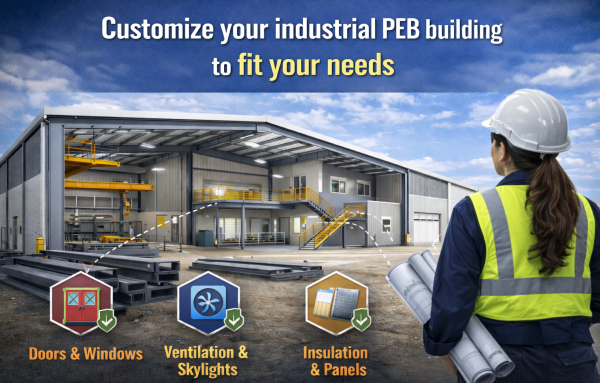
Modern PEB designs offer aesthetic flexibility with various roofing styles, wall claddings, insulation systems, skylights, and façade options. Businesses can achieve both functional efficiency and attractive architectural appearance, making PEB suitable for commercial complexes, showrooms, sports facilities, and institutional buildings.
Recent Posts


 Whatsapp
 Phone Call